Emergency garden clearance same day gardeners in Cubitt Town
When a garden suddenly becomes unsafe, unusable, or simply overwhelming, you do not have time for a long wait. That is where Emergency garden clearance same day gardeners in Cubitt Town comes in. Maybe a storm has scattered branches across the path, a previous tenant left a mess behind, or weeds, waste, and broken garden items have piled up faster than you can deal with them. Whatever the trigger, a fast clearance service can turn a stressful outdoor space into something manageable again, often the very same day.
In a compact London setting like Cubitt Town, speed matters for more than convenience. Clear access, safe walkways, neighbour relations, and the simple ability to use your own outdoor space all become more important when a garden is cluttered or hazardous. This guide explains how emergency garden clearance works, what it usually includes, who benefits most, and how to avoid the common mistakes that slow everything down. You will also find a practical checklist, a realistic comparison table, and a few grounded tips from real-world garden jobs that often come up at short notice.
For broader support with ongoing upkeep after the urgent work is done, it can help to explore garden maintenance and, if the clearance is part of a larger property refresh, landscaping may be worth considering too. Different problems need different fixes, and a good plan usually starts with the right first move.
Why Emergency garden clearance same day gardeners in Cubitt Town Matters
Garden clearance sounds straightforward until the problem becomes urgent. One windy evening, a fallen branch blocks the rear gate. A burst of growth hides a trip hazard. Or maybe a landlord, tenant, or managing agent needs the outside space cleared before an inspection, sale, or handover. In those moments, delay is the real problem.
Emergency clearance matters because messy gardens can quickly become unsafe gardens. Slippery leaves, rotten timber, hidden glass, fly-tipped waste, and tangled overgrowth are not just untidy. They can make a space hard to enter, difficult to secure, and unpleasant to live beside. In some cases, they also invite pests or create access issues for bins, deliveries, and garden storage. It is rarely just a cosmetic issue. More often, it is a practical one with a deadline attached.
Cubitt Town is especially suited to same-day response work because outdoor spaces are often compact, shared, or tightly bounded. A cluttered passage or a blocked side return can disrupt neighbours as much as the property owner. If you need a quick reset after sudden weather damage, the article on fortifying your garden against unpredictable weather is a useful companion read for preventing the same mess from returning next season.
There is also a reassuring side to emergency clearance that people sometimes overlook. Once the obvious danger is removed, the garden feels lighter. Calmer, even. You can see the ground again. That matters more than people think.
How Emergency garden clearance same day gardeners in Cubitt Town Works
Same-day garden clearance usually starts with a quick assessment, either by phone, message, or an on-site look if time allows. The aim is simple: work out what needs removing, how urgent the problem is, and whether the job can be completed safely in one visit. Good gardeners will want to know about access, the size of the area, the type of waste, and whether anything awkward is involved, such as heavy logs, thorny growth, or broken structures.
In practical terms, the process often looks like this:
- Initial enquiry: You describe the problem, send photos if possible, and explain any time pressure.
- Rapid triage: The gardener identifies whether it is a clearance-only job or whether additional work is needed, such as hedge reduction or light tree work.
- Arrival and assessment: The team checks access, safety issues, and what can be done immediately.
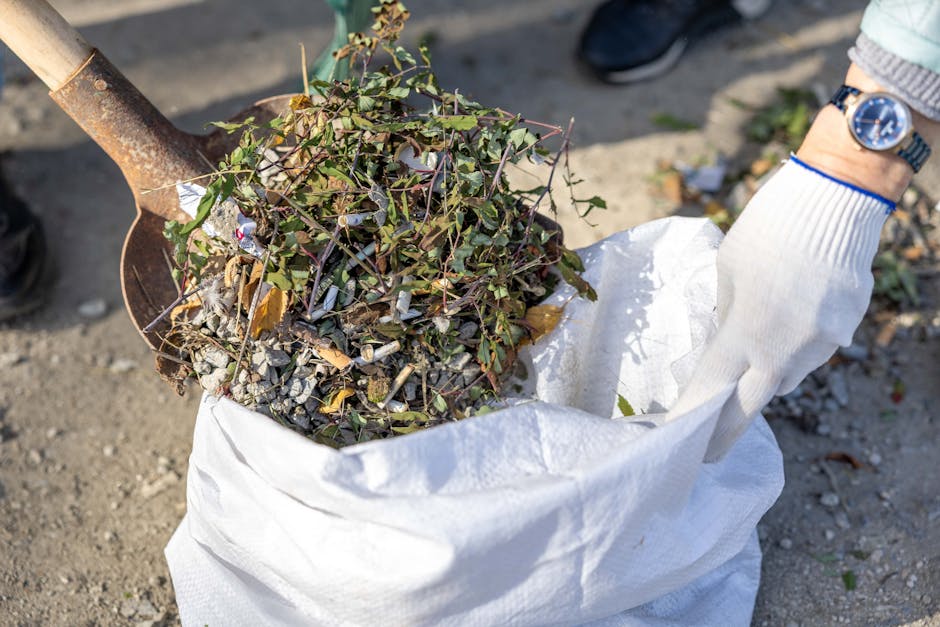
- Clearance: Waste, debris, cuttings, and unwanted items are removed, sorted, and loaded for disposal.
- Optional tidy finish: Paths, borders, or hard surfaces may be left swept and workable.
- Disposal plan: Suitable waste handling is arranged in line with normal UK expectations for garden waste and mixed rubbish.
Not every emergency clearance is the same. A straightforward overgrown-bed clearance may take an afternoon, while a full garden reset with bulky waste can need more labour and vehicle space. If the job is part of a wider property issue, you may also need services such as tree surgery for dangerous branches or fencing if damaged boundary panels are making the garden feel exposed. That is the sort of thing that becomes obvious once the brambles are cut back. Funny how often the real job hides underneath the obvious one.
One useful clarification: emergency garden clearance is not the same as a polished garden makeover. The priority is safety, access, and removal of the urgent mess first. A neat finish is ideal, of course, but the best same-day teams focus on getting the space stable and usable before anything else.
Key Benefits and Practical Advantages
The main benefit is obvious: you get a fast response when you need it most. But there are several practical advantages that matter just as much.
- Safer access: Paths, gates, and side returns become easier to use again.
- Less stress: A chaotic outdoor area can feel oddly draining. Clearing it quickly gives you breathing room.
- Better presentation: Useful for viewings, tenancies, inspections, or family events.
- Reduced risk of damage: Heavy waste, leaning branches, and trapped moisture can harm surfaces and plants if left too long.
- Improved pest control: Removing rotting matter, food waste, and thick shelter points can reduce attraction for unwanted visitors.
- Quicker next-stage planning: Once the clutter is gone, it is easier to decide what to keep, repair, or redesign.
Another benefit is decision clarity. People often hesitate when a garden has become a mess because they do not know where to begin. A same-day clearance team removes that bottleneck. Suddenly the problem is visible, measurable, and workable. That shift alone can be worth a lot.
It is also worth saying that fast clearance can support future budgeting. Once you can see the space properly, you can plan staged work instead of guessing blindly. If you are trying to make sensible choices without overspending, budget garden tips for effortless year-round beauty offers helpful ideas for keeping things manageable after the urgent job is out of the way.
Who This Is For and When It Makes Sense
Emergency garden clearance is for anyone who cannot safely or reasonably wait for a standard booking. That includes homeowners, tenants, landlords, letting agents, managing agents, and businesses with outdoor frontage or access areas.
It tends to make sense in these situations:
- after a storm, heavy wind, or sudden weather damage
- before a property inspection, sale, or tenancy handover
- when overgrowth blocks access to bins, sheds, or rear entrances
- after a period of neglect where brambles, weeds, and waste have taken over
- when broken garden furniture, fencing debris, or green waste has become a hazard
- if a child, older resident, or pet needs the garden made safer quickly
Dog owners often need a fast clearance more than they expect. A garden that is full of sharp debris, hidden holes, or tangled growth can be hard to use safely. If that sounds familiar, gardening tips for dog owners may help you shape the space after the immediate mess is dealt with.
Families are another common group. Kids do not wait patiently for a tidy-up to happen, do they? If the outdoor area is meant to be used for play, a quick clearance can remove the most obvious dangers first. For longer-term ideas, building a garden paradise that delights children is a good follow-up read.
To be fair, some people simply reach a point where the garden has become too much to manage alone. That is not failure. It is just a sign that the job has outgrown the weekend plan.
Step-by-Step Guidance
If you are arranging emergency garden clearance for the first time, it helps to know what a sensible sequence looks like. The better prepared you are, the faster the job tends to go.
- Identify the priority: Decide what is truly urgent. Is it access, safety, waste removal, or all three?
- Take clear photos: Wide shots and close-ups help the gardener estimate labour, disposal needs, and access.
- Note restrictions: Mention locked gates, narrow passages, parking limits, pets, neighbours, or shared entrances.
- Separate what must stay: Move aside anything you want kept, such as pots, tools, or sentimental items. It saves time and avoids mistakes.
- Ask about waste handling: Not all waste is the same. Mixed rubbish, green waste, timber, and soil may need different handling arrangements.
- Clarify the finish you need: Some clients want a clear and safe space only. Others want a swept, tidy, ready-to-use finish.
- Check follow-on work: Once the urgent clearance is done, decide whether pruning, turf recovery, or maintenance is needed next.
A small but important point: if the garden contains large branches, unstable structures, or anything that could fall, do not try to push through it in a hurry. Step back first. A rushed DIY approach can turn a nuisance into an injury. It happens more often than people like to admit.
If the space is being cleared because it has effectively been neglected for some time, the guide on breathing new life into neglect is useful for thinking beyond the first rescue job.
Expert Tips for Better Results
The difference between a decent same-day clearance and a genuinely good one often lies in the details. Here are the things that usually make the biggest difference.
- Send photos before the visit. This is the easiest way to avoid surprises and wasted time.
- Be honest about the volume. A small pile and a front garden full of waste are very different jobs.
- Keep access clear. Open gates, move vehicles if needed, and make sure the team can get in without delays.
- Flag fragile plants or hidden fixtures. It is much easier to protect them before work starts than after.
- Ask for staged clearance if needed. In some gardens, clearing the worst section first is the smartest move.
- Plan for the next 7 days, not just today. Once the mess is gone, you may want mowing, hedge trimming, or soil improvement soon after.
In our experience, the best results come when the customer tells us what they want the garden to do, not just what they want removed. Do you need children to use it by tonight? Do you need access for a rear door? Is the space being readied for a handover? Those details matter.
If overgrown hedges are part of the emergency, a related service like hedge trimming in Cubitt Town can be a smart next step once the clearance is complete.
And one more thing. If you suspect a job might involve more than garden waste, say so early. A garden clearance that includes timber, soil, rubble, or awkward household items needs more careful planning than a simple green-waste tidy.
Common Mistakes to Avoid
Emergency work tends to go wrong for predictable reasons. The good news is that most of them are easy to avoid.
- Waiting too long to call: A half-day delay can make access worse, especially after rain or wind.
- Underestimating the waste: Small-looking piles can fill bags and vehicles fast.
- Not separating keep items: Once work starts, everything moves quickly. Be clear about what stays.
- Choosing only on speed: Same-day matters, but so does proper disposal, safety, and clear communication.
- Skipping access checks: If a gardener cannot get equipment in easily, the job may take longer or cost more.
- Forgetting follow-up care: A cleared garden can grow back into a problem if you do nothing afterwards.
There is also a subtle mistake people make: treating the clearance as the full solution. It is not always. Sometimes it is the reset before the real work starts. That might be lawn care, replanting, or smarter use of containers and borders. If you are planning the next phase, lawn care and gardening services can help turn a cleared patch into something that stays under control.
Tools, Resources and Recommendations
Emergency clearance relies on the right kit, but the exact tools depend on the job. A good team usually arrives with cutting tools, loppers, rakes, sacks, PPE, loading equipment, and secure transport for waste. For heavier work, they may also use wheelbarrows, tarpaulins, pruning tools, and machine assistance where appropriate.
If you are a homeowner trying to do part of the job yourself before help arrives, keep things simple. A few sturdy bags, gloves, secateurs, a rake, and a safe way to stack debris are usually enough. For more involved DIY garden tasks later on, the article on crucial tools for every outdoor gardening fan is a useful reference.
Here are the practical resources worth having ready before a same-day visit:
- photos of the garden from several angles
- a clear path to the work area
- gate codes or entry instructions
- a note of any hidden hazards, such as broken glass or unstable panels
- a list of items to keep
- parking or loading considerations
If your emergency has exposed a broader design or privacy issue, it may be worth looking at fencing, decking services, or even patio cleaning once the urgent clearing work is behind you. A clean slate is a helpful thing.
Law, Compliance, Standards, or Best Practice
Garden clearance is not usually about complex legal procedure, but good practice still matters. Waste should be handled responsibly, work should be carried out safely, and any risks should be identified before tools come out. In the UK, the expectation is that garden waste and mixed waste are disposed of properly, not dumped, burned casually, or left in a shared area. That sounds obvious, yet it is worth saying plainly.
Best practice also means taking care around trip hazards, sharp debris, unstable structures, and hidden obstructions. If a job involves trees, large limbs, or branches that may be unsafe, specialist help is the sensible route. That is where careful judgement beats rushing. If you are comparing providers, look for clear communication, sensible paperwork, and a straightforward approach to safety and disposal rather than vague promises.
It is also wise to ask about payment, quotation clarity, and what happens if the job scope changes once the team arrives. Good service providers will explain this upfront. You can review details such as pricing and quotes, terms and conditions, and payment and security so expectations are clear from the beginning.
For peace of mind, safety-focused pages like health and safety policy and insurance and safety are useful trust signals when you are choosing who to let onto your property. A proper job is never just about speed. It is speed plus care.
Options, Methods, or Comparison Table
Not every garden problem needs the same response. Sometimes a full emergency clearance is the right call. Sometimes a lighter maintenance visit is enough. The table below gives a simple way to compare common options.
| Option | Best for | Typical outcome | When it makes sense |
|---|---|---|---|
| Same-day emergency clearance | Blocked access, storm debris, urgent mess, safety issues | Fast removal of hazards and waste | When the garden needs immediate action |
| Routine garden maintenance | Recurring weeds, light tidy-ups, seasonal control | Ongoing upkeep and prevention | When the space is stable but getting messy |
| Targeted hedge or tree work | Overgrowth, shading, falling branches, boundary issues | Controlled reduction and safer structure | When the main problem is woody growth rather than general waste |
| Full garden refresh | Long-neglected spaces needing a bigger reset | Clearance followed by planning or redesign | When the garden needs to be rebuilt in stages |
For a lot of Cubitt Town properties, the smartest approach is not choosing one path forever. It is choosing the right path for today. Clear the danger first, then decide what the garden should become next. That is usually the most cost-effective route, and honestly, the least stressful one too.
Case Study or Real-World Example
Here is a realistic example based on a common same-day request. A small rear garden in Cubitt Town had been manageable until a windy weekend dropped branches, bins overflowed, and fast-growing weeds started climbing through the edges of a narrow path. By Monday morning, the owner could barely reach the back gate. Not ideal.
The first step was a quick set of photos and a short description of the priorities: clear the access route, remove broken debris, and take away the worst of the green waste. The team arrived with the right tools, checked the route in and out, and worked in sections so the space stayed safe as the job progressed. The visible mess went first. Then the awkward bits. Then the sweep-up.
By the end of the visit, the garden was not a showpiece. It did not need to be. It was usable again, and that changed everything. The owner could access the gate, store bins properly, and start planning a longer-term tidy-up without feeling overwhelmed. A week later, they followed up with a lighter maintenance plan and some simple planting changes to keep weeds from reclaiming the space. That is the pattern we see a lot, to be fair: urgent clearance first, sensible recovery second.
If the cleared space is going to be reshaped for privacy or structure, it may help to read fast-growing hedges for privacy and expert trimming for more complex hedge designs once the urgent work is out of the way.
Practical Checklist
Use this quick checklist before booking or during the lead-up to a same-day visit.
- Photograph the garden from multiple angles.
- Identify the urgent issue: access, safety, waste, storm damage, or all of these.
- Move personal items, toys, tools, and pots you want to keep.
- Make access as easy as possible for the team.
- Note any gates, parking limits, or shared entrances.
- Tell the gardener about hidden hazards such as glass, nails, or unstable structures.
- Be clear about whether you want a basic clearance or a tidy finish.
- Ask how waste will be removed and handled.
- Plan the next step after clearance: maintenance, hedge trimming, lawn recovery, or redesign.
- Check the provider's safety and policy information before confirming.
Expert summary: the best emergency clearance is the one that removes risk quickly, protects what matters, and leaves you with a clear next step. Fast is good. Clear is better. Fast and clear is ideal.
When the job is urgent, it helps to keep communication short and practical. One line about the problem, a few photos, and a note about access can save a surprising amount of time. Simple really.
Conclusion
Emergency garden clearance is about more than tidying up. It is about restoring access, removing hazards, and giving your outdoor space back to you without delay. In Cubitt Town, where gardens are often compact and every metre counts, same-day support can make a genuinely stressful situation feel manageable again.
The best results come from clear communication, sensible expectations, and a provider that understands both speed and safety. Deal with the urgent mess first, then build the calmer, more maintainable garden afterwards. That is the real value here. A good clearance does not just empty the space; it gives you room to breathe.
Get a free quote today and see how much you can save.
And if you are ready to take the first step, a quick message is often all it takes to turn a messy, blocked garden into a space that feels usable again. A small reset can go a long way.
Frequently Asked Questions
What counts as an emergency garden clearance?
An emergency garden clearance usually means there is a safety issue, blocked access, storm debris, heavy overgrowth, or urgent waste that needs removing the same day or as quickly as possible.
Can same-day gardeners in Cubitt Town really clear a garden in one visit?
Often, yes. Smaller or mid-sized jobs can usually be cleared in one visit if access is good and the waste is manageable. Larger jobs may be split into stages, especially if there is a lot of bulky material.
How do I prepare for a same-day clearance visit?
Take photos, clear access, move personal items, and explain the main problem upfront. The more the gardener knows before arriving, the smoother the job usually goes.
What if my garden has both waste and overgrown hedges?
That is common. A clearance can remove the waste first, then a separate trimming or reduction job can deal with the hedges. If needed, hedge trimming in Cubitt Town can follow the urgent work.
Is emergency garden clearance suitable for landlords?
Yes. Landlords often need fast clearance before a tenancy handover, inspection, or new let. It can help restore the property quickly and reduce complaints about access or safety.
Do I need to sort the garden waste before the team arrives?
No, not usually. But if you can separate items you want to keep from items to remove, that helps a lot. It also reduces the chance of accidental disposal.
What should I ask before booking a same-day garden clearance?
Ask about availability, access requirements, waste handling, scope of work, and whether the quote includes labour and disposal. Clarity upfront saves awkward surprises later.
How is emergency clearance different from routine maintenance?
Emergency clearance is reactive and focused on urgency, safety, and access. Routine maintenance is preventative and keeps a garden under control before it becomes a problem.
Can a clearance team remove branches and tree debris?
Yes, often they can remove smaller branches and general debris. If the problem involves larger or unsafe trees, specialist tree surgery may be more appropriate.
Will the garden be left tidy after the clearance?
That depends on the job scope. Many teams will leave the area swept and presentable, but if you want a fuller tidy-up, say so before work starts. It helps set the right expectation.
What happens if the job is bigger than expected?
If more waste or risk is found on arrival, the gardener should explain the change before continuing. Good communication matters here. Sometimes the best answer is to clear the worst section today and schedule the rest later.
Are there any safety issues I should mention before the team arrives?
Yes. Tell them about broken glass, sharp metal, unstable structures, hidden holes, pets, or anything that might be difficult to see at first glance. That kind of detail is genuinely helpful.
How do I keep the garden from getting out of hand again?
Plan a light maintenance routine after clearance. Regular weeding, hedge care, and periodic checks after bad weather can stop the garden slipping back into chaos. Small and steady works better than heroic weekend clean-ups, most of the time.
Where can I find more information before booking?
You can read more about the team's about us page and review their complaints procedure and accessibility statement if you want to understand how they work before getting in touch.